
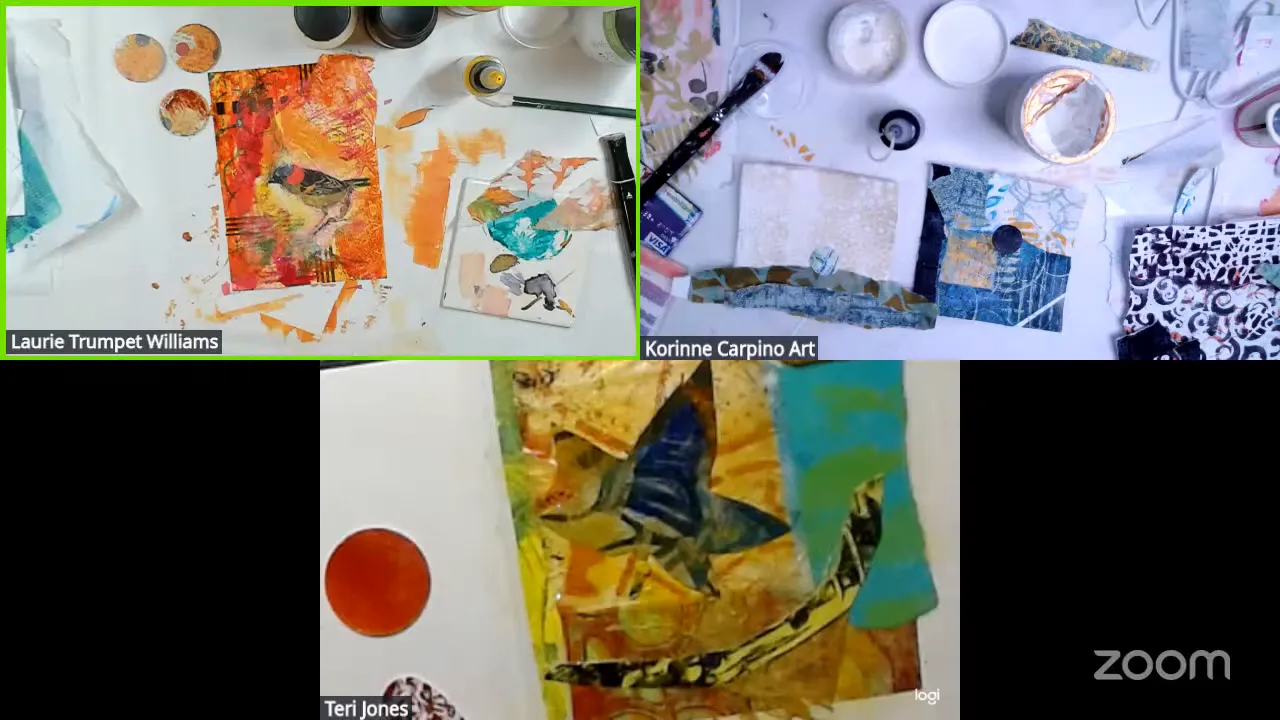
Join us as we dive into the world of cohesive collage, where we blend colors, textures, and creativity to create stunning pieces of art. In this session, we explore the harmony of a warm palette while sharing tips and techniques to elevate your mixed media projects.
Table of Contents
- Introduction to Cohesive Collage
- Finalizing Your Collage
- Sharing and Documenting Your Work
- Engagement and Community Resources
- Q&A and Wrap-Up
- FAQs
Introduction to Cohesive Collage
Cohesive collage is an exciting art form that blends various materials into a unified piece. The magic lies in creating harmony through color, texture, and composition. By carefully selecting your elements, you can create a stunning visual narrative that draws the viewer in. Let’s explore the essential components that make a cohesive collage truly shine.
Choosing Your Palette and Materials
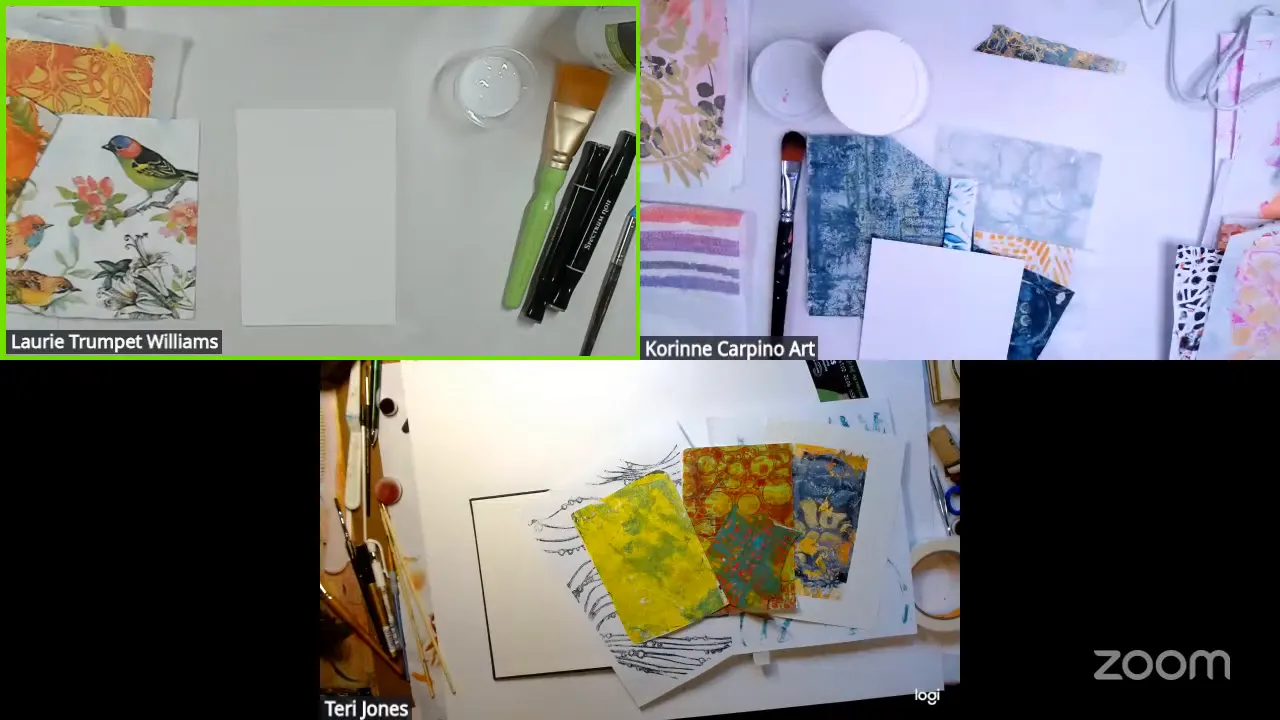
Begin with selecting a color palette that resonates with you. A well-thought-out palette can make or break your collage. Consider warm, cool, or neutral tones depending on the mood you want to convey. Gather materials such as:
- Scrap papers
- Gel prints
- Tissue paper
- Textured materials like fabric or washi tape
Mixing these elements will provide depth and interest. Remember to choose items that complement each other to maintain a cohesive look.
Preparing Your Workspace
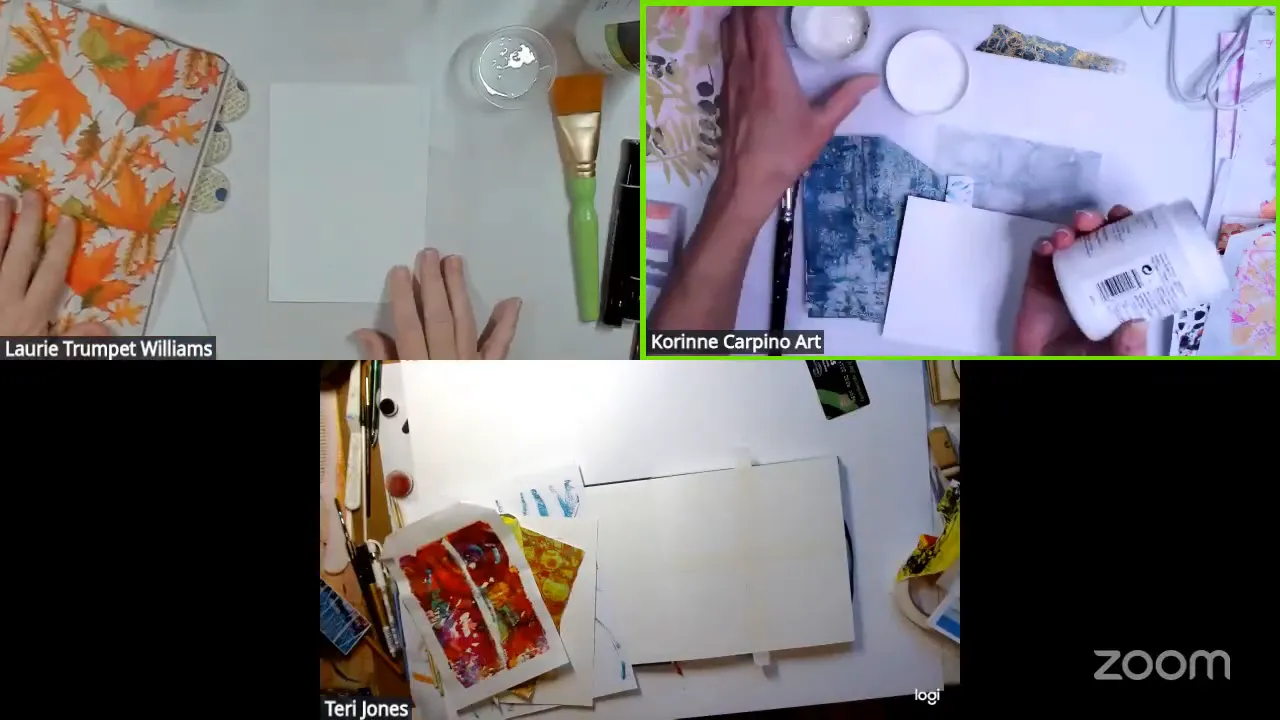
A tidy workspace is essential for creativity. Clear off your table and arrange your materials within reach. This allows for smoother transitions between different stages of your collage. Consider using:
- Cutting tools for shaping your materials
- Adhesives like gel medium or matte gel
- Brushes and sponges for applying glue
Additionally, protect your surface with a drop cloth or old newspaper to avoid any mess. A well-prepared space encourages flow and creativity.
Layering Techniques for Collage
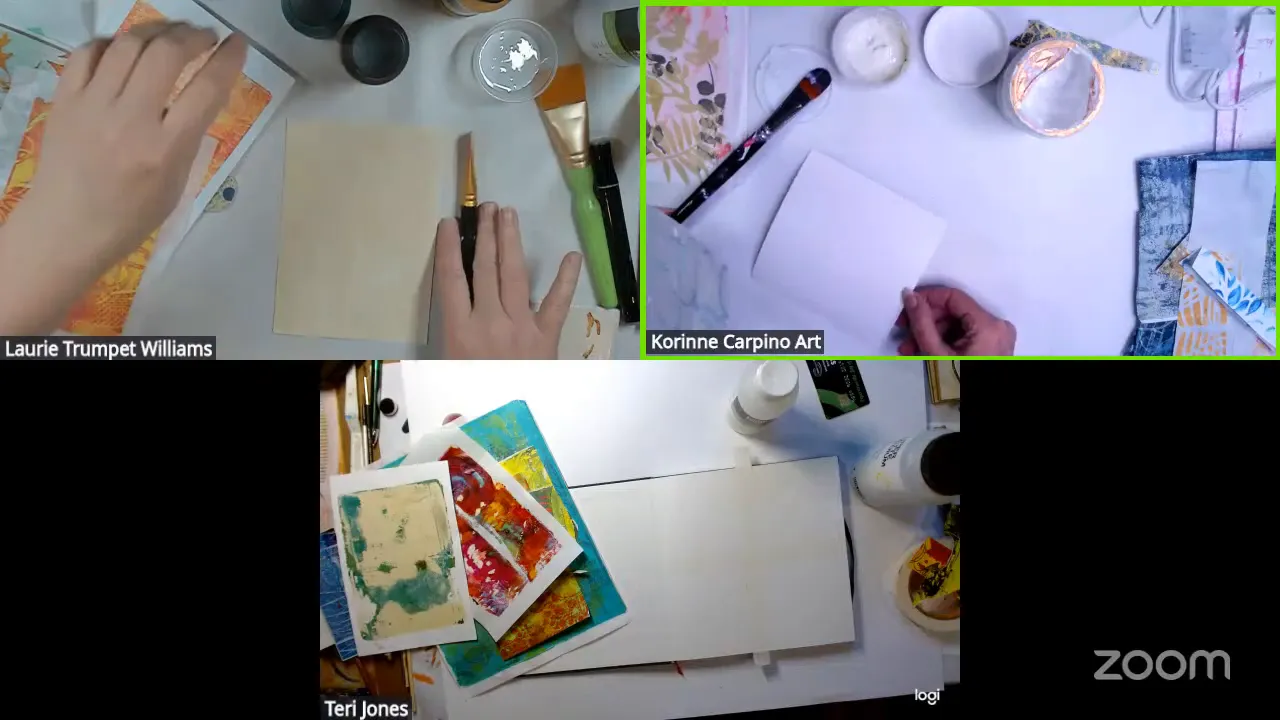
Layering is a fundamental technique in collage art. Start with a base layer, applying larger pieces first, and then gradually add smaller elements. This process adds dimension and texture to your work. Here are some tips:
- Vary the sizes of your pieces to create visual interest.
- Overlap elements to create a sense of depth.
- Experiment with transparency by using tissue paper or thin layers.
Don’t be afraid to adjust your layers; sometimes the best arrangements come from trial and error.
Incorporating Textures and Patterns
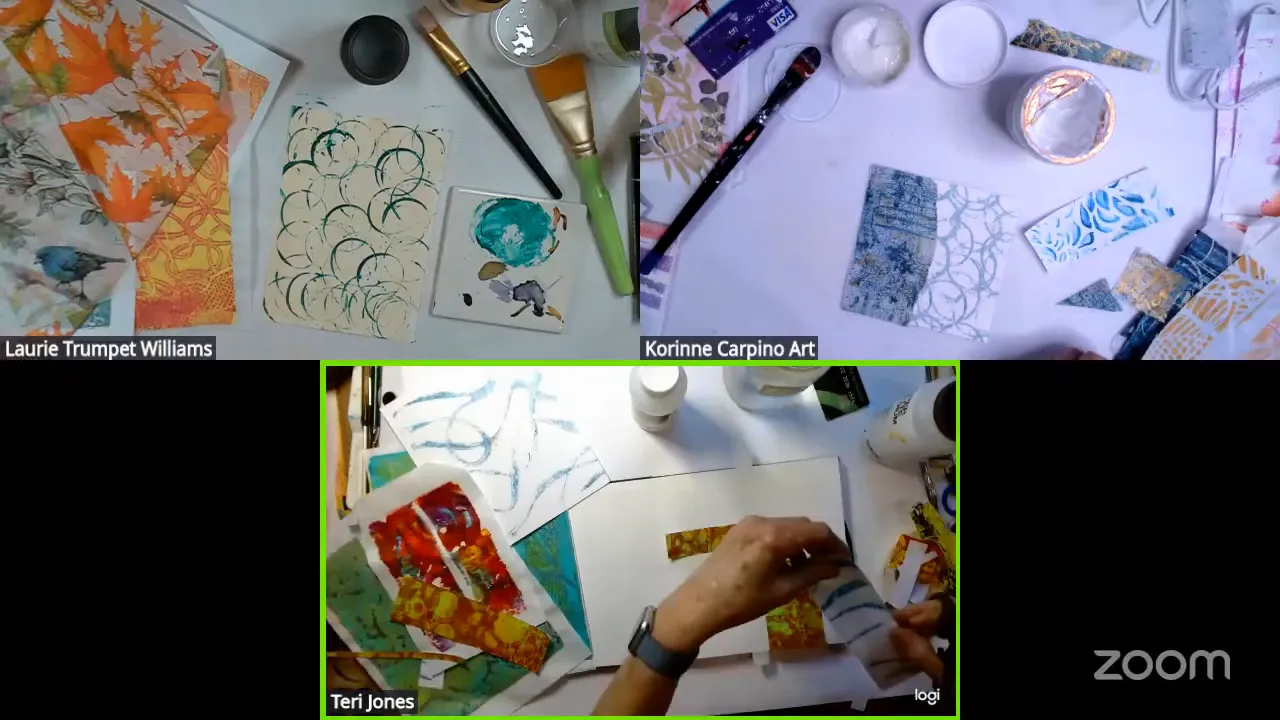
Textures and patterns add richness to your collage. Consider mixing materials such as fabric, paper, and found objects. Here’s how to effectively incorporate them:
- Use textured papers or fabrics to create a tactile experience.
- Incorporate patterned papers to add rhythm and movement.
- Utilize washi tape for graphic elements that can highlight certain areas.
By thoughtfully integrating textures and patterns, your collage will not only look appealing but also invite touch and exploration.
Working with Contrast and Composition
Contrast is key to making your collage stand out. Play with light and dark colors, smooth and rough textures, and different shapes. Here are some strategies to consider:
- Use contrasting colors to draw attention to focal points.
- Balance busy areas with calmer spaces to provide visual rest.
- Experiment with asymmetrical compositions for a dynamic look.
Remember, composition is about the arrangement of elements. Take time to step back and evaluate your work as you progress.
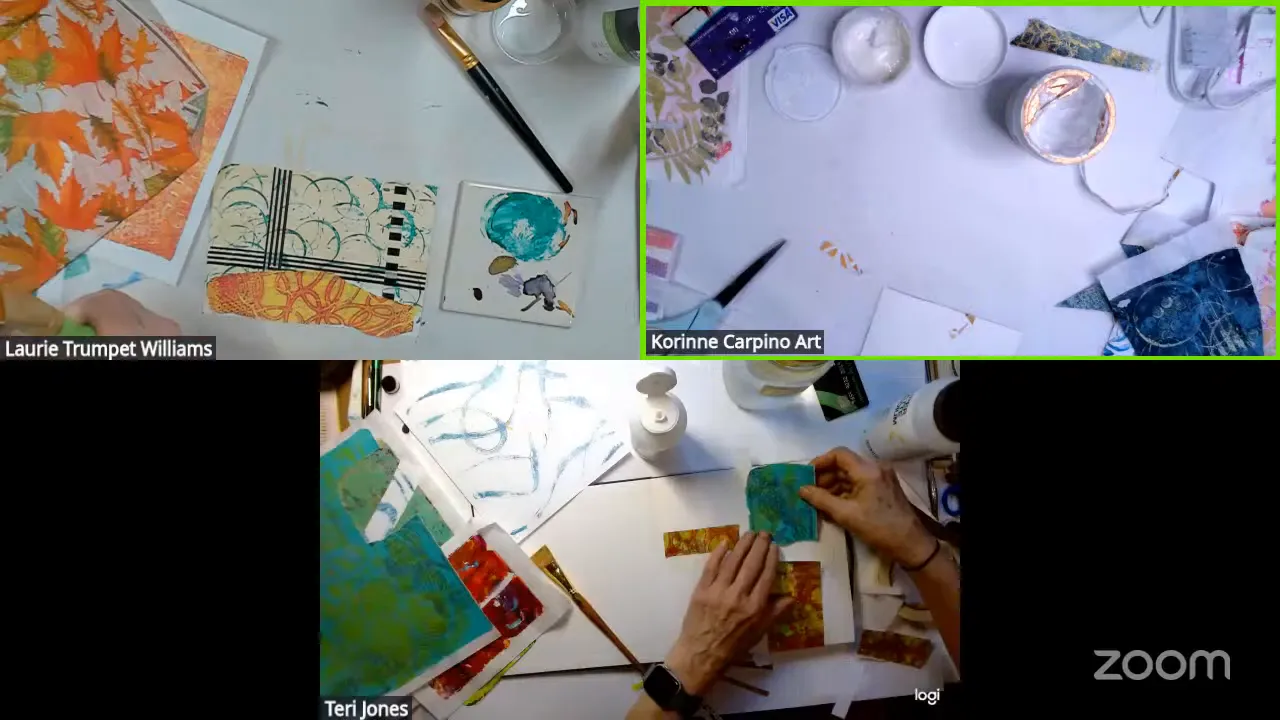
Finalizing Your Collage
As you approach the final stages of your collage, it’s essential to step back and evaluate your composition. Look for balance, contrast, and focal points. Are there areas that need more texture or color? Consider adding highlights or shadows to enhance depth.
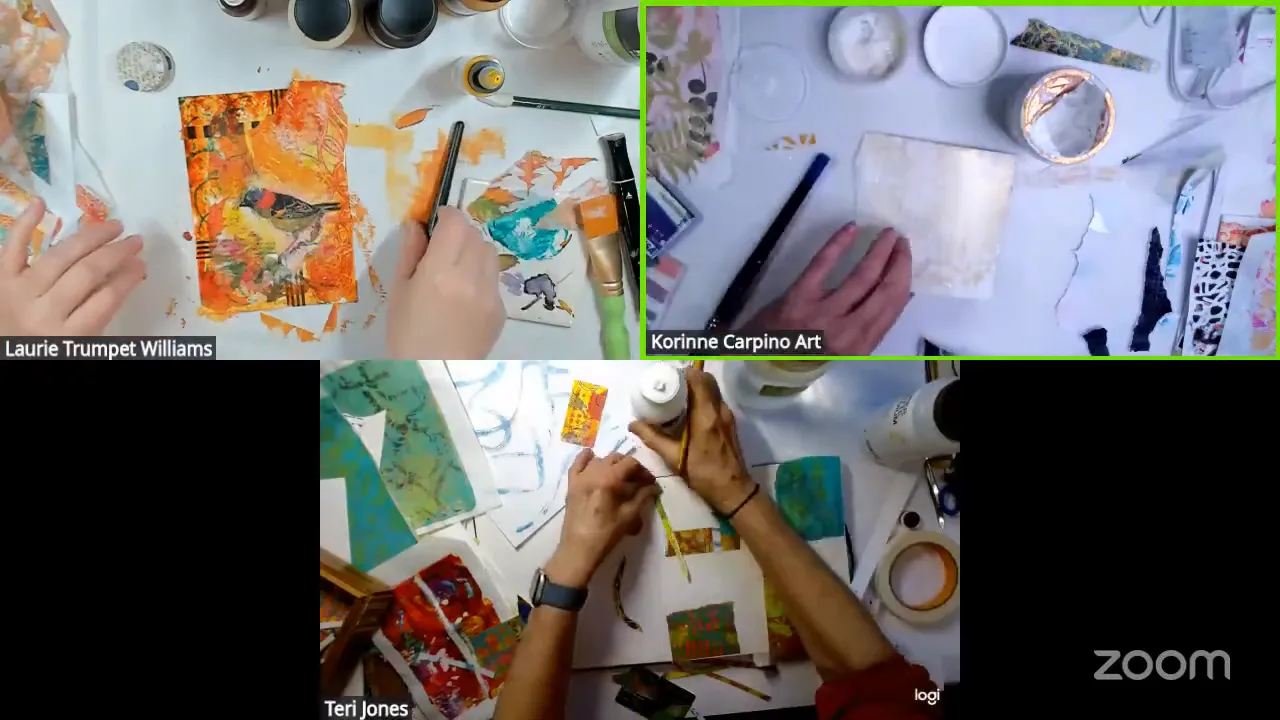
Adding the Final Details
Finalizing your collage is where the magic happens. You can add small details that tie the whole piece together. Here are some ideas:
- Incorporate line work using pens or markers to define shapes.
- Add small embellishments like sequins or beads for sparkle.
- Use stencils to create patterns or motifs that complement your theme.
These finishing touches can elevate your art and make it feel complete.
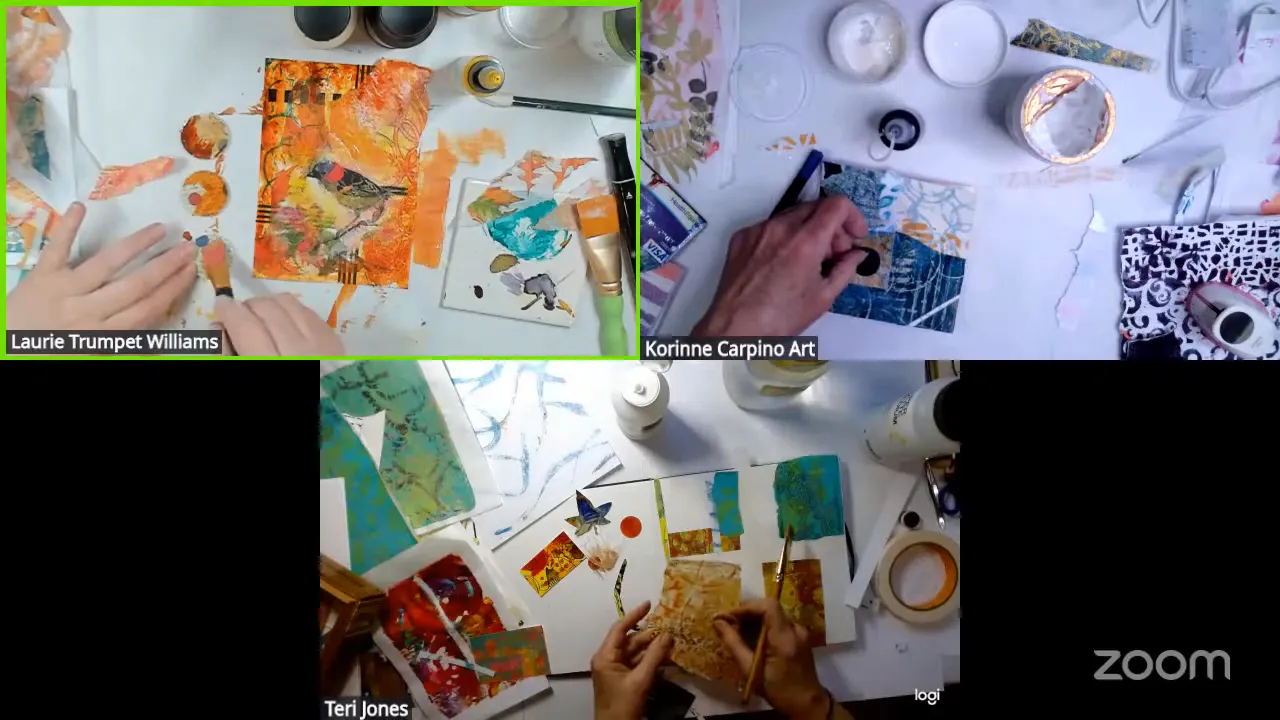
Sharing and Documenting Your Work
Once your collage is finalized, it’s time to share your creation with the world. Documenting your work not only showcases your art but also inspires others. Consider the following methods:
- Take high-quality photographs of your collage from different angles.
- Write a brief description of your creative process and materials used.
- Share on social media platforms or art communities to connect with fellow artists.
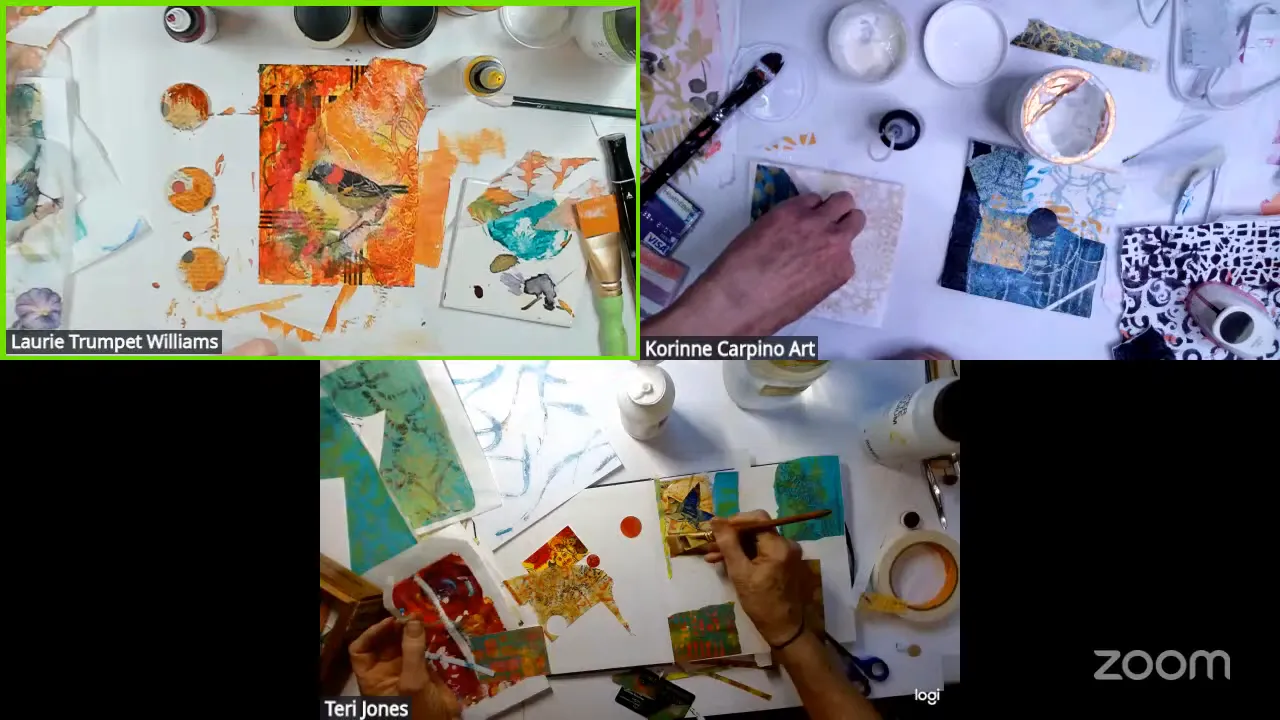
Creating a Portfolio
Building a personal portfolio is a great way to keep track of your artistic journey. Consider creating a digital portfolio using platforms like:
- Instagram for visual sharing.
- Behance for professional presentation.
- Your own blog or website to showcase your work and process.
Having a portfolio not only documents your growth but also opens opportunities for collaboration and exhibitions.
Engagement and Community Resources
Engaging with a community of artists can enhance your creative experience. There are numerous resources and platforms available for artists to connect, share, and learn:
- Join local art groups or online forums to share your work and receive feedback.
- Participate in challenges or workshops to expand your skills.
- Follow art blogs and social media accounts for inspiration and tips.
Utilizing Online Platforms
Many online platforms offer excellent resources for artists:
- Explore mixed media websites for tutorials and inspiration.
- Join Facebook groups dedicated to collage and mixed media art.
- Attend virtual workshops to learn new techniques and meet fellow artists.
Q&A and Wrap-Up
As we wrap up this journey through collage-making, it’s time for some final thoughts and questions. Remember, art is a personal experience, and there’s no right or wrong way to create your collage. Embrace the process and let your creativity flow!
Addressing Common Questions
Here are some frequently asked questions to consider:
- How do I choose the right materials for my collage?
- What if I make a mistake in my composition?
- How can I find inspiration for my next collage project?
Don’t hesitate to reach out to your community for advice and support. Sharing experiences can lead to new discoveries and ideas.
FAQs
What is the best adhesive for collage?
Using a gel medium or matte gel works best as it dries clear and provides a strong bond.
Can I use digital elements in my collage?
Absolutely! Digital elements can add a modern twist to your artwork. Just ensure they blend well with your physical materials.
How do I protect my finished collage?
Consider using a fixative spray or framing your collage behind glass to preserve it for years to come.
Where can I find collage inspiration?
Look for inspiration in nature, magazines, art books, or online platforms like Pinterest and Instagram. Follow artists whose work resonates with you!
0 Comments