
Come with us to the spectacular world of mixed media art! In this blog, we are going to show you our creative process and how the usage of layers of paint and paper can give collages a sense of depth and harmony. Whether you have a ton of art experience or just a couple of materials, there’s something for everybody.
Table of Contents
- Introduction to Mixed Media
- Choosing Our Materials
- Setting Up Our Workspaces
- Layering Techniques: Paint and Paper
- Creating Textured Backgrounds
- Selecting and Applying Papers
- Adding More Depth with Tissue Paper
- Incorporating Stencils and Stamps
- Exploring Color Choices
- Final Touches and Adjustments
- Reflections on the Process
- Conclusion and Next Steps
- FAQ
Introduction to Mixed Media
Mixed media art is an exciting combination of different art forms and materials. It offers us the freedom to go beyond the limitations of classical art and use our imagination in an entirely different fashion. Through the interaction of different materials such as wax colors, canvas paper, threads, and more, we can create beautiful 3D and picture stories. This technique not only makes our artwork visually more appealing, but it also introduces new interpretations and complexity.
The Beauty of Layering
Mixed media is primarily based on layering. Each layer can bring in a different aspect and thus enhance the global structure. Our application of paint on paper generates visual interest and complexity. The balance of transparent and solid areas creates a manifold of ways to perceive the artist’s ideas.
Choosing Our Materials
The process of exploring mixed media definitely begins with the selection of the materials and it is the most important step. We usually begin with sturdy paper or canvas as the base because these can bear the gravity of several layers. After that, we are free to select from a wide range of paints, papers, and other embellishments that can dress up the crafts in artistic style to make it more personal to us.
Essential Supplies
- Paint: Acrylics, watercolors, and inks are popular choices.
- Papers: Look for patterned, textured, or handmade papers.
- Adhesives: Matte medium and gel mediums work well for layering.
- Tools: Brushes, palette knives, and stencils can enhance your techniques.
Setting Up Our Workspaces
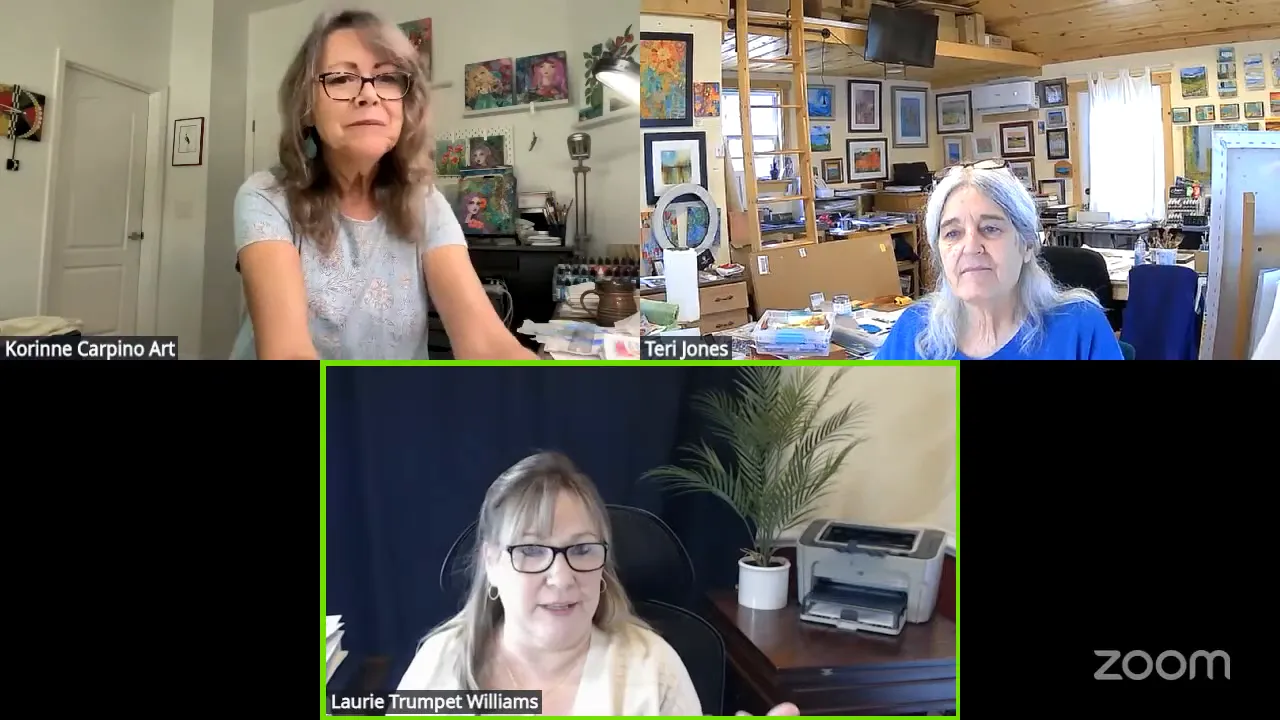
A neat work desk can hugely contribute to the creative process of a person. Firstly, arrange your things so that everything will be at an arm’s length to you and you can avoid distractions. A clear table can assure you that you will have enough space to throw out ideas and risk-taking while a proper illumination can bring out the real colors of your materials.
Creating a Comfortable Environment
- Choose a space with good lighting.
- Keep your materials sorted and easily accessible.
- Consider having a dedicated table or easel for larger projects.
Layering Techniques: Paint and Paper
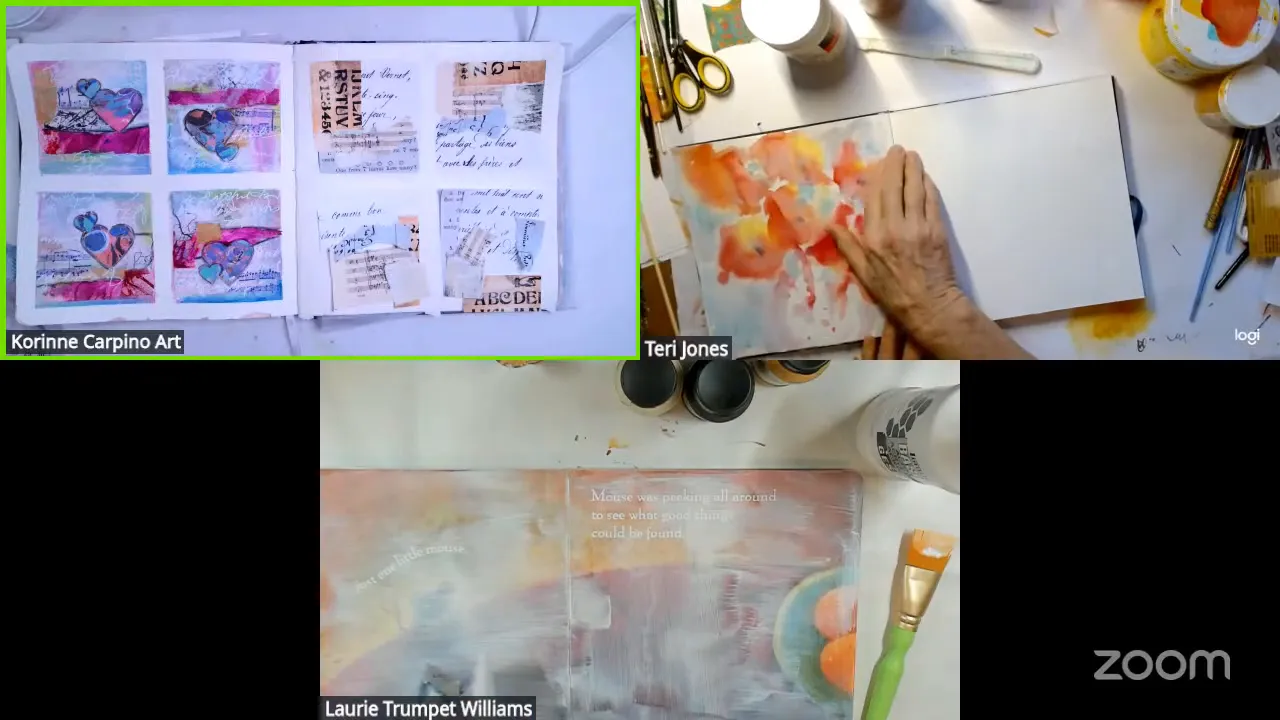
Layering is among the most thrilling features of mixed media. Each individual layer has the power to make a considerable difference in the overall outlook of the piece. Firstly, you paint a base layer and let it dry before applying paper elements. This methodhelps you to create a base that will visually enhance your work.
Working with Different Textures
Experimenting with different textures can lift your work to a new level. You can use heavy body paints for the impasto effect or fluid acrylics for the super-smooth wash. Textured papers, such as handmade or embossed papers, can be an additional dimension element to your collage.
Creating Textured Backgrounds
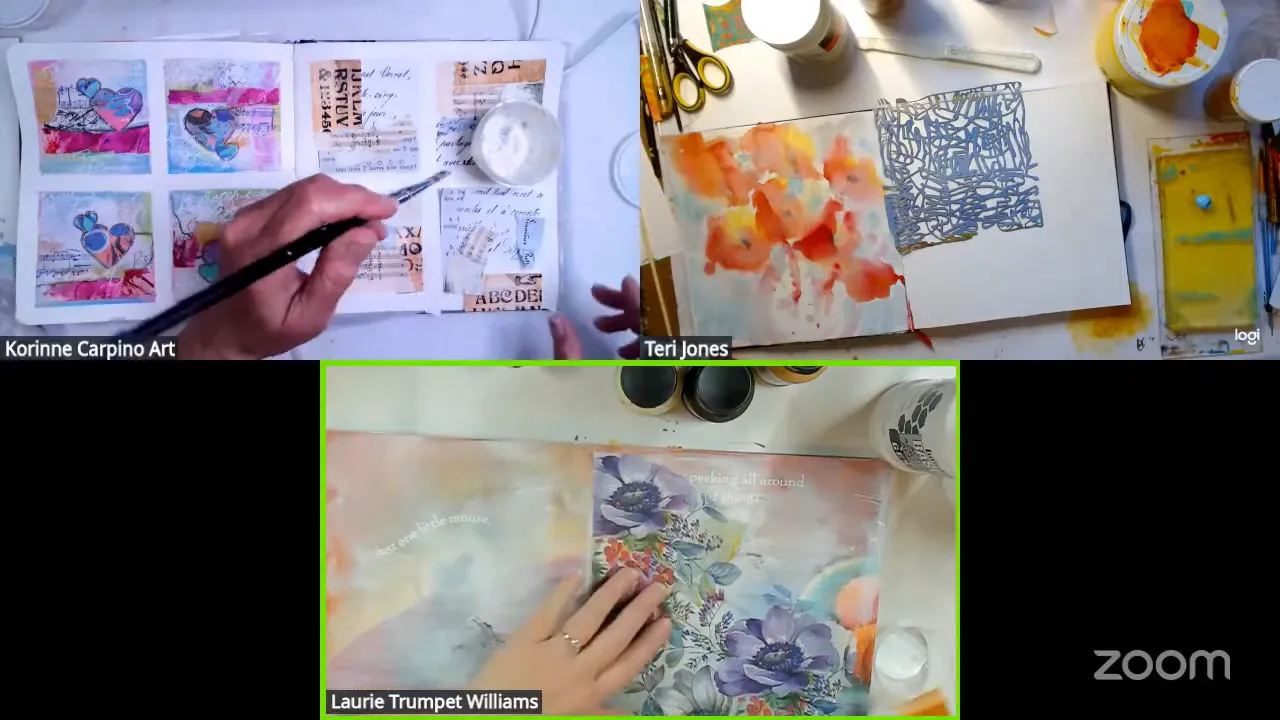
Textured surfaces are the perfect ground for your layers. You can use not only tools like sponges, brushes, or even your fingers but also create amazing effects. Besides, stencils are a great way to add patterns and shapes to your background.
Tips for Textured Backgrounds
- Start with a thin layer of paint and gradually build up texture.
- Use a variety of tools to apply paint—sponges, brushes, and palette knives.
- Incorporate materials like sand or fabric into your paint for added texture.
Selecting and Applying Papers
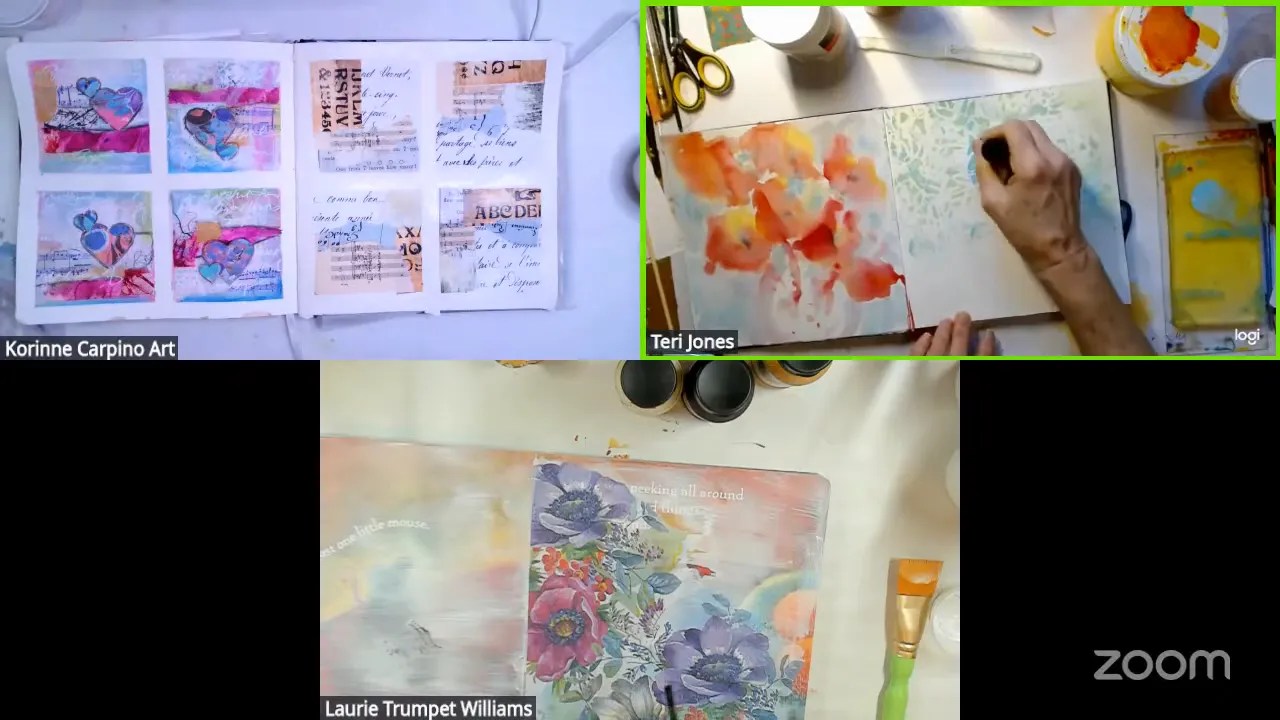
The selection of appropriate papers is crucial in determining the success of your mixed media artwork. Purchase papers that match your color scheme and add value to your work visually. While using the papers for the project, you should also pay attention to their transparency and structure too in order to come up with the right depth.
Application Techniques
A matte medium can be used as an adhesive for sticking the papers on the surface. By doing so, you’d not only fix them in place but also gain the ability to move the paper around regardless of it being pasted. Set your creativity free with techniques of tearing, cutting, or layering papers to yield different compositions.
Adding More Depth with Tissue Paper
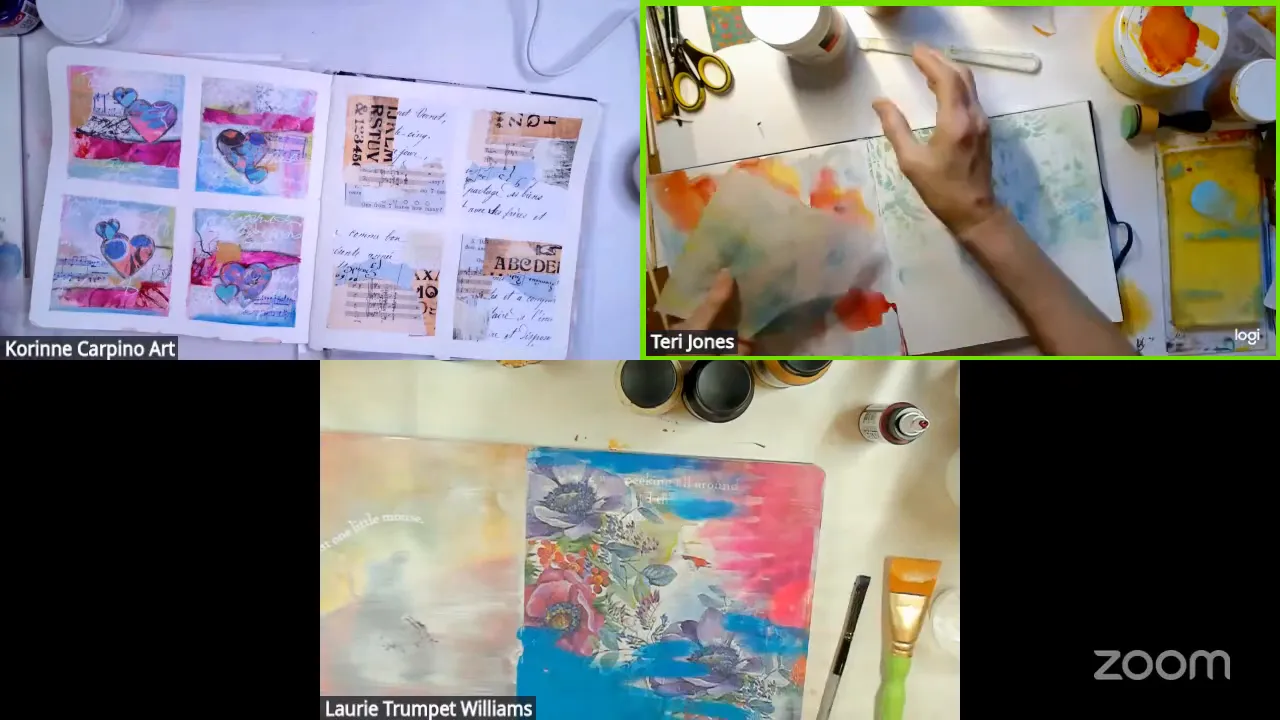
Tissue paper is a multi-purpose component in mixed media. Its purity to layer allows for the effect which may be softening or augmented underlying colors and textures. When used appropriately, it produces a nice layer that attracts the eye.
Working with Tissue Paper
- Use wet strength tissue paper for durability; it holds up better when layered.
- Experiment with different colors and patterns to see how they interact with your layers.
- Consider using tissue for delicate details or to diffuse harsh colors underneath.
Incorporating Stencils and Stamps
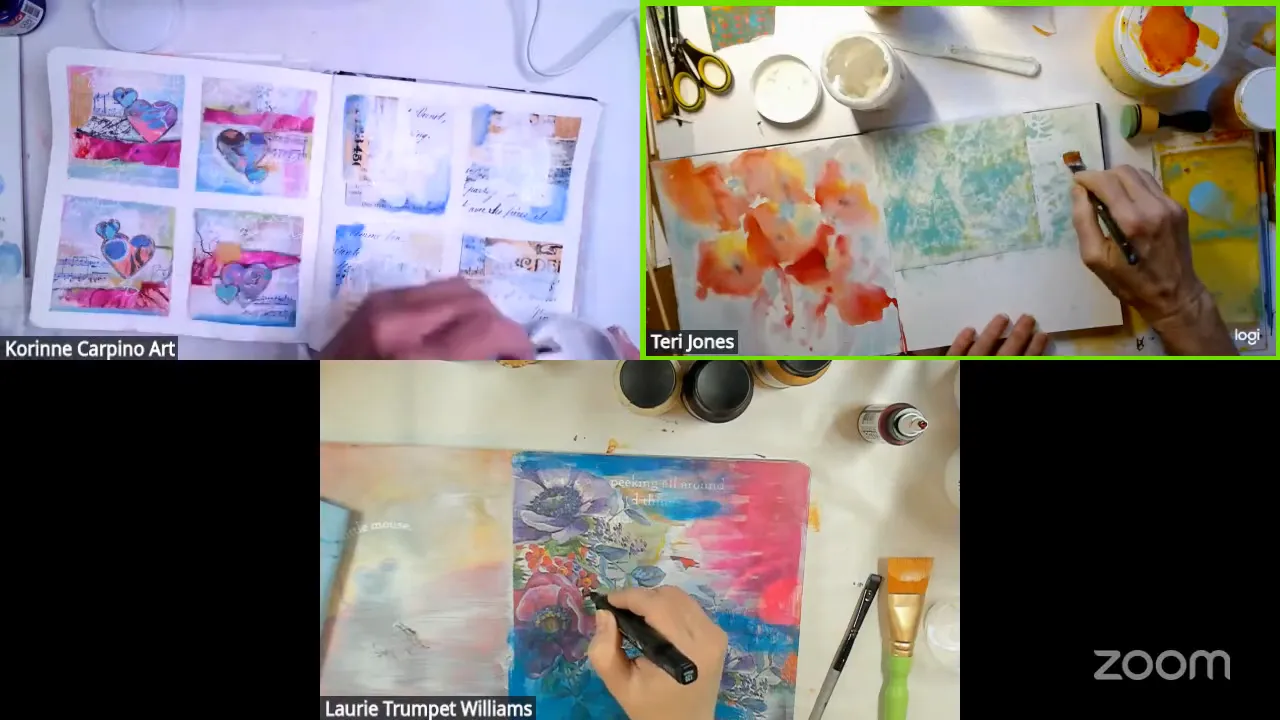
Stencils and stamps are essential implements for your artistic adventure in mixed media art. With their help, you can introduce and layer the desired minute details as well as the patterns that can improve the total visual layout. When selecting stencils, think about the forms and patterns that correspond to your theme. In addition to that, stamps can also be a source of distinctive rough textures or visual features.
Using Stencils Effectively
- Layering: Apply a light layer of paint through the stencil to create subtle patterns that add depth.
- Contrast: Use contrasting colors to make the stenciled areas pop against the background.
- Experiment: Try different materials for stenciling, such as sponges or brushes, to achieve various effects.
Exploring Color Choices
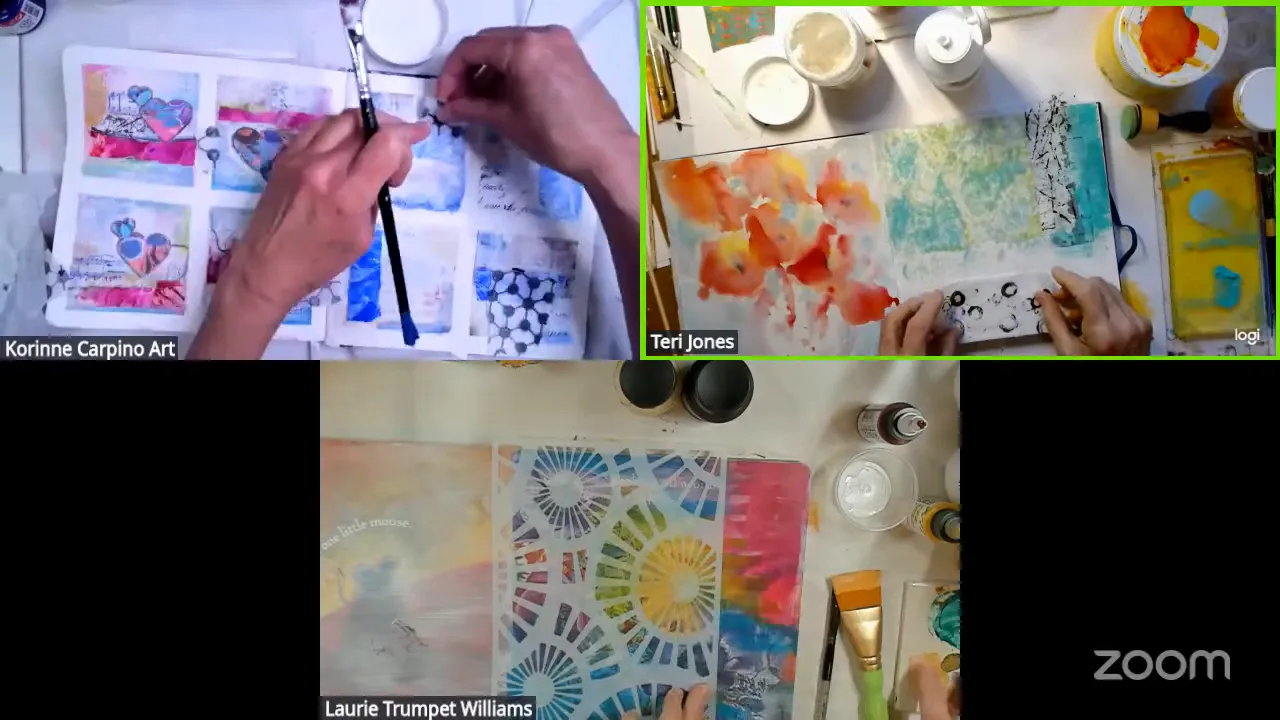
Choosing the correct colors is vital when you are working with mixed media. It not only creates a particular atmosphere but also brings out the feelings of the person looking at your art. You can look for complementary colors on a color wheel that are exquisite together. You should not be afraid of trying out different and unconventional color pairings.
Creating a Color Palette
- Choose a Base Color: Start with one dominant color that reflects your theme.
- Add Accents: Incorporate one or two accent colors to create focal points.
- Test Swatches: Create small swatches on a separate paper to see how colors interact before applying them to your piece.
Final Touches and Adjustments
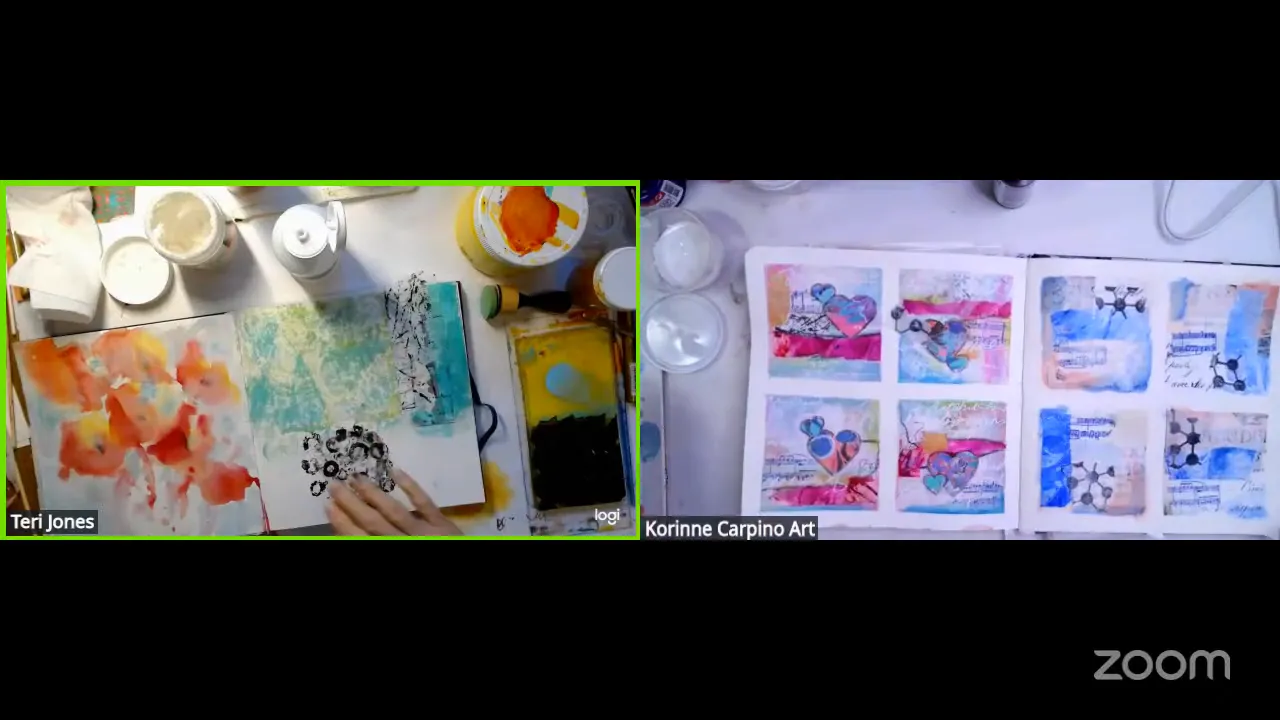
When you are almost done, it is important to take a moment off and re-evaluate your work. This is an ideal time to make some alterations if needed. Use lights or darks to increase depth, and the final step is your signature!
Making Adjustments
- Highlighting: Use lighter colors to bring attention to specific areas.
- Shadows: Darker shades can ground elements and add dimension.
- Final Glaze: Consider applying a glaze or varnish to protect your artwork and enhance the colors.
Reflections on the Process
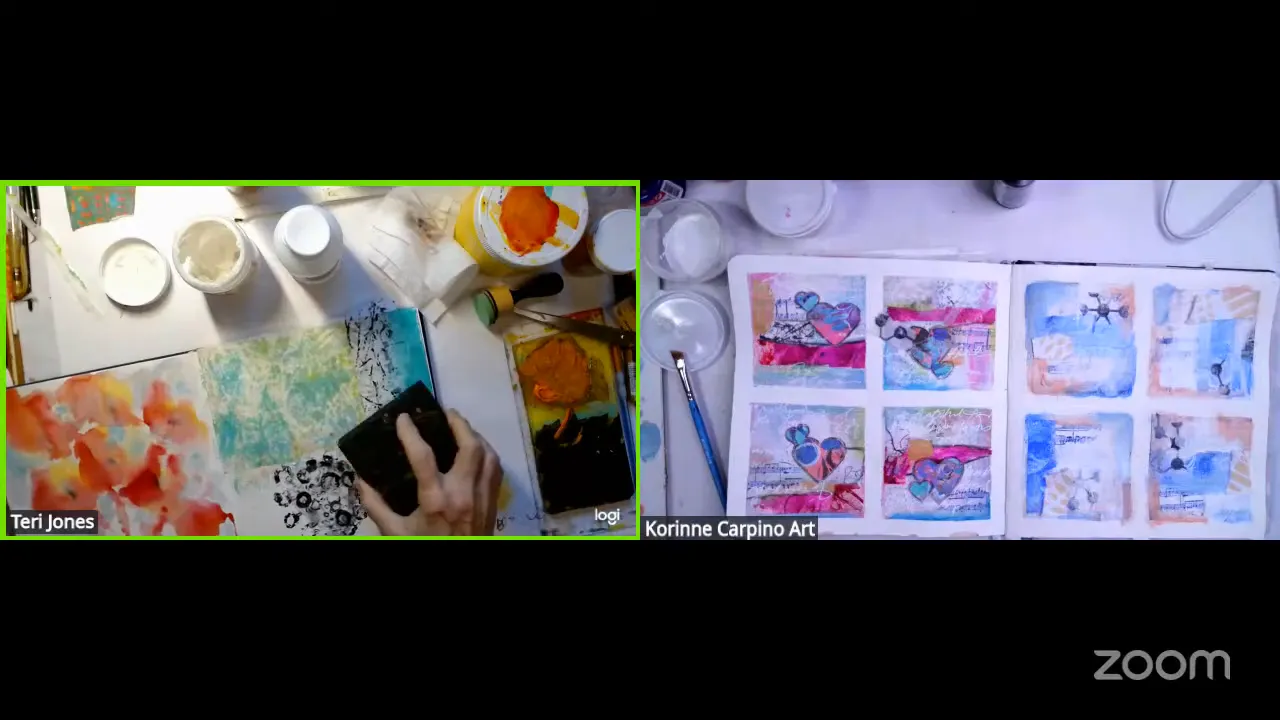
Diving deep into the mixed media art world is an adventure that blends experimentation and finding a new way. Every additional layer is like a new chapter in your artistry. The process of juxtaposing and analyzing the completed work of art can open up directions for new work.
What We Learned
- Embrace Mistakes: Mistakes can lead to unexpected and beautiful results.
- Experimentation: Don’t be afraid to try new techniques or materials.
- Personal Expression: Your artwork is a reflection of your unique perspective and experiences.
Conclusion and Next Steps
Tapping into the mixed media project, you are now at the end of the journey which is just the beginning. The competencies and methods you have been able to master can easily be used for your subsequent tasks. Continue to try out new things, and allow your imagination to run wild!
Next Steps
- Join a Community: Engage with other artists to share your work and gain inspiration.
- Keep Practicing: Continue to explore mixed media techniques to enhance your skills.
- Document Your Journey: Keep a journal of your artistic process and ideas.
FAQ
What materials do I need to get started with mixed media?
Start off with a firm base (such as canvas or thick paper) and a vast array of colors, papers, glues, and devices like brushes and stencils.
How can I create depth in my artwork?
Experiment layering methods using diverse materials and colors. Also, consider using transparent elements like tissue paper which will enhance it further.
Can I use any type of paper in mixed media?
Certainly! By trying out patterned, textured, and handmade papers, you can find out how to develop an innovative language and communicate with your colors as well.
0 Comments